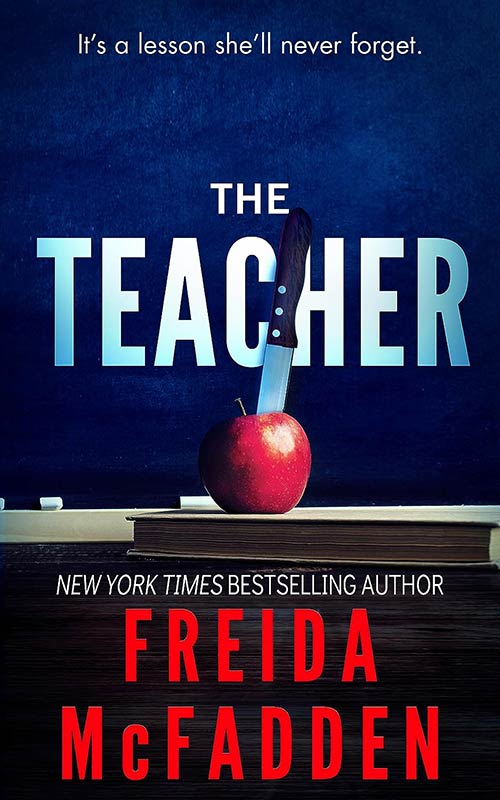
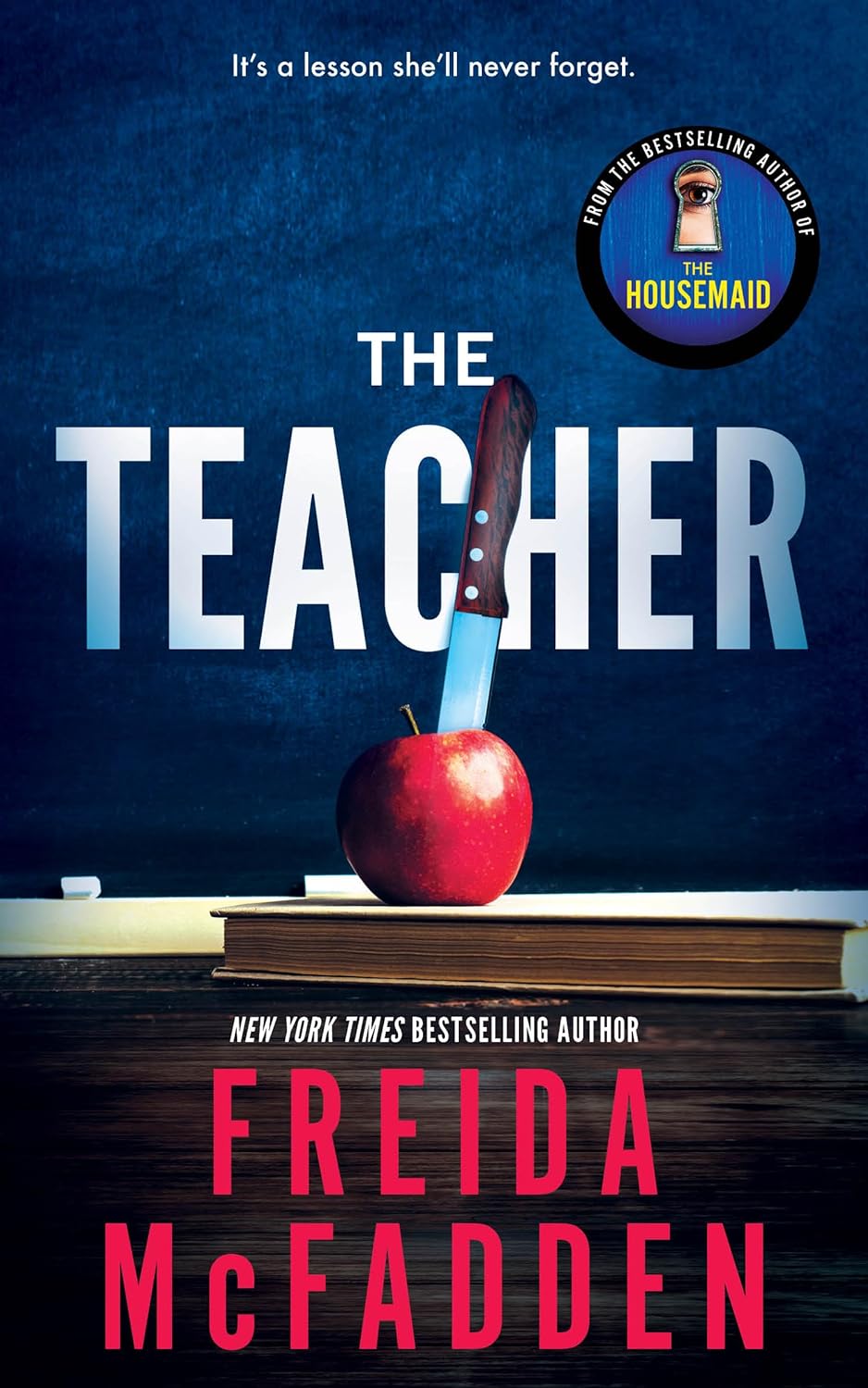
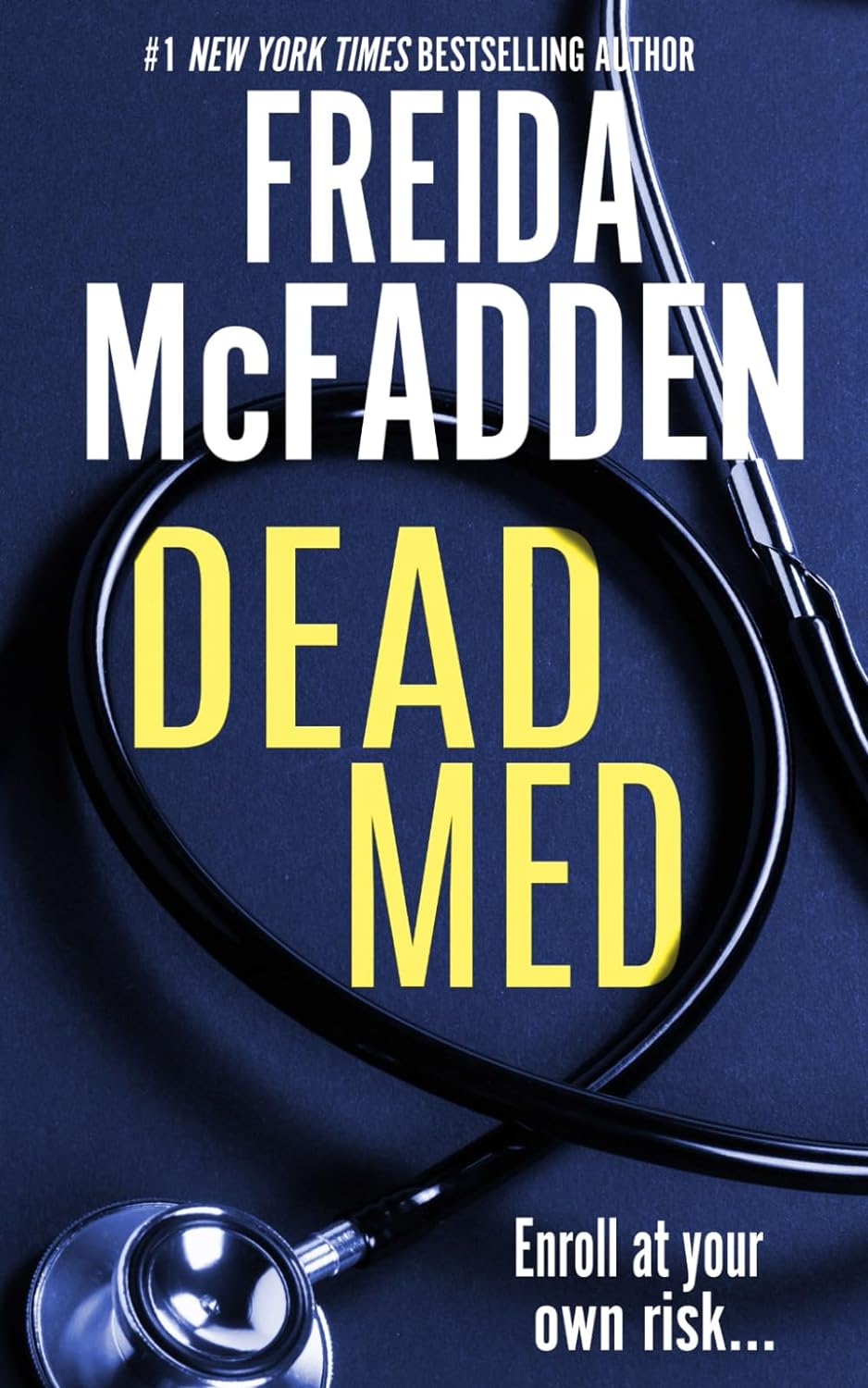
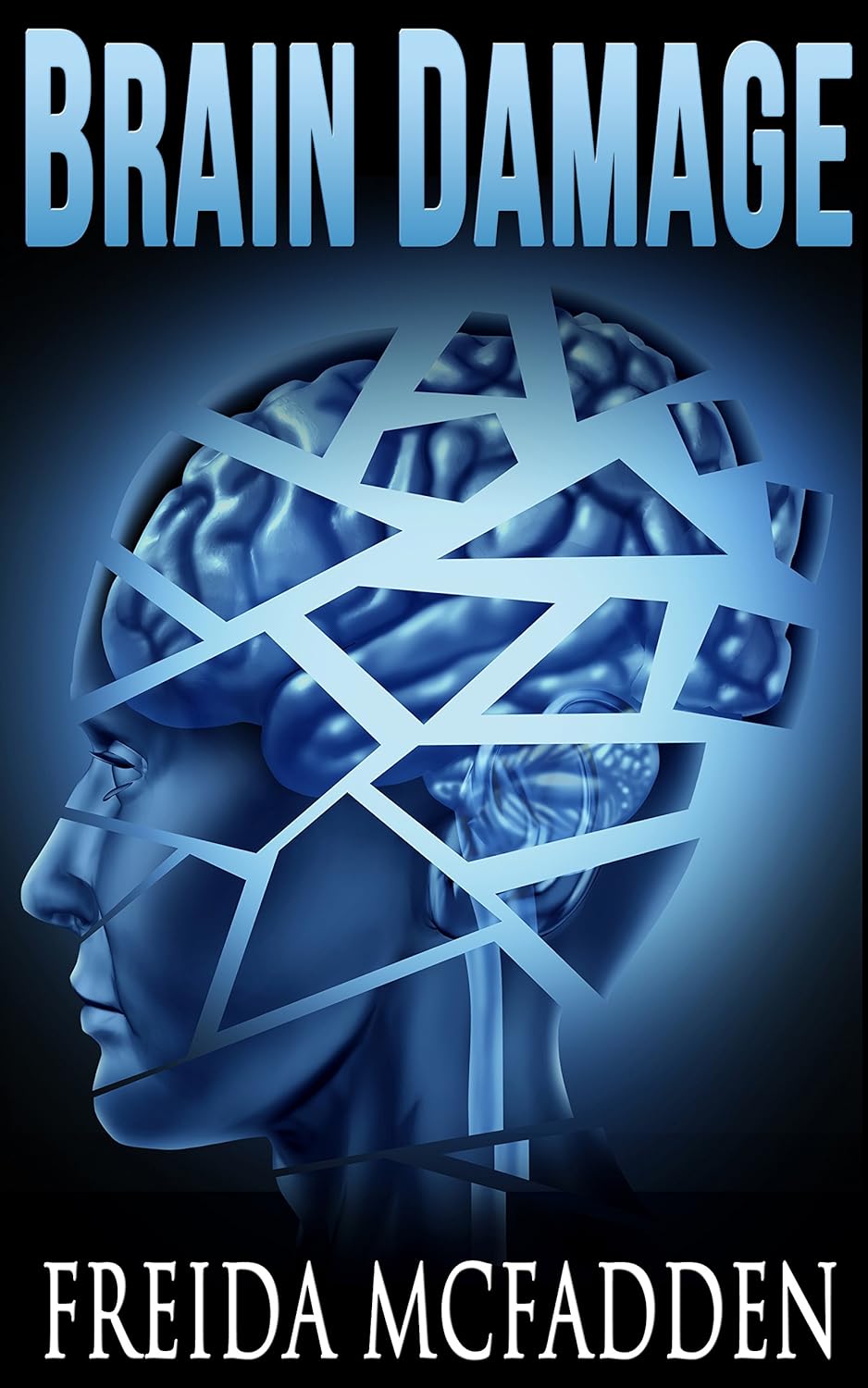
Freida McFadden has emerged as one of the most visible contemporary voices in psychological and domestic suspense, known for novels that combine propulsive pacing with high-concept premises and late-stage twists engineered to reframe everything that came before. In a thriller marketplace increasingly shaped by digital discovery and word-of-mouth momentum, McFadden’s work has become a case study in how a writer can meet modern readers where they are: hungry for fast, immersive storytelling that still delivers the emotional satisfactions of classic suspense—dread, misdirection, and the uneasy recognition that danger often arrives wearing a familiar face.
What distinguishes McFadden is not only her productivity or popularity, but the particular texture of her suspense. Her stories repeatedly return to intimate systems—marriage, caregiving, employment, friendship—where power can be disguised as concern and where the most consequential betrayals are frequently domestic. She also brings to her fiction a professional vantage point as a practicing physician (a detail she has spoken about publicly), which lends credibility to her portrayals of hospitals, diagnoses, and the vulnerabilities people experience inside medical institutions. In an era when thrillers are often consumed in swift bursts and shared through online communities, McFadden has become a defining author for readers who want tension that is immediate, readable, and relentlessly escalating.
Early Life and Influences
Much of McFadden’s early biographical background is not widely publicized in detail, a choice consistent with many contemporary genre authors who prefer to keep the focus on the work rather than the persona. What is publicly clear is the dual identity that shapes her career: she is both a doctor and a novelist, and the interplay between those roles illuminates the kind of suspense she writes.
Medicine trains a particular way of seeing. It is a profession built on observation, pattern recognition, and the high stakes of incomplete information—exactly the conditions that thrillers dramatize. In clinical life, the difference between a benign symptom and a warning sign can be subtle; a patient’s story can be fragmented; a caregiver’s assumptions can mislead. Those realities map naturally onto the mechanics of psychological suspense, where what the narrator believes is rarely the full truth and where a small detail—overlooked, dismissed, or misunderstood—can become the hinge of a plot.
McFadden’s books often read as if they are written by someone who understands how fragile control can be: how quickly normal life turns procedural under stress, how fear sharpens memory in some places and erases it in others, and how institutions—whether a hospital, a household, or a workplace—have rules that can protect or entrap. Even without a heavily documented early-life narrative, her body of work suggests long-standing interests: the instability of trust, the performance of respectability, and the thin social scripts that keep people from asking the questions that might save them.
Childhood Details
Specific childhood details about McFadden are not broadly confirmed in the public record, and it would be misleading to fill those gaps with invention. What can be said, based on her writing and public-facing author identity, is that she has cultivated a sensibility attentive to the everyday—precisely the terrain where domestic thrillers thrive.
Her novels frequently begin with situations that are recognizably ordinary: a job that seems too good to be true, a home that looks pristine from the outside, a relationship where the public version is cleaner than the private one. That kind of premise often comes from close observation of social behavior—how people speak when they want to be liked, how they deflect when they want to hide, how they create plausible explanations for what they cannot admit. Whether those observational habits originated in childhood reading, early exposure to storytelling, or the later discipline of medical training is less important than the result: McFadden’s fiction is built to make readers feel that the danger is not distant. It is adjacent.
Family Details
McFadden does not widely foreground family information in the way some public figures do, and reliable, verifiable specifics are limited. In the absence of confirmed details, the most responsible approach is to note the privacy rather than speculate.
That privacy can itself be understood as aligned with the genre she dominates. Psychological suspense is a literature of withheld information—of partial truths, controlled narratives, and carefully managed impressions. McFadden’s public presentation, which centers the books and her professional credentials while minimizing personal exposition, is consistent with a writer whose brand rests on mystery and momentum rather than confessional celebrity.
Formative Training and Education
The most widely known and verifiable element of McFadden’s training is her career in medicine. She is publicly identified as a physician, and that professional formation matters to her fiction in more than a superficial way. Medical training is, in part, training in narrative: the patient’s history, the sequence of symptoms, the timeline that clarifies cause and effect. It is also training in uncertainty and ethical pressure—making decisions when information is imperfect, balancing compassion with procedure, and recognizing that “normal” is often a story people tell themselves until they cannot.
Those skills translate elegantly into thriller craft. McFadden’s plotting often depends on controlled disclosure, on shifting interpretations, and on the strategic placement of clues that only fully register in hindsight. The best medical practitioners and the best suspense writers share a discipline: they notice what others miss, and they understand how a single fact can change the meaning of an entire case.
Early Career
McFadden’s early career is best understood as a dual-track life—building a serious profession in healthcare while also developing a parallel identity as a novelist. That is not simply a scheduling feat; it’s a creative framework. Working in medicine exposes a person to high emotion without melodrama: fear that is quiet, grief that is procedural, courage that is exhausted rather than heroic. These are experiences that can deepen a writer’s ability to depict stress realistically, especially in confined settings like wards, offices, or homes where people must keep functioning even when their inner world is unraveling.
As she began publishing, McFadden aligned herself with reader expectations in contemporary thrillers: sharp hooks, compact chapters, and an emphasis on forward motion. Rather than positioning her work as literary experiment, she embraced the core contract of commercial suspense—“you will not be bored”—and refined a style that makes it easy to read one more chapter, and then five more. That sensibility has proven especially powerful in a reading culture shaped by e-books, audiobooks, and social media recommendation loops, where pace is not merely aesthetic but part of how books travel.
Breakthrough
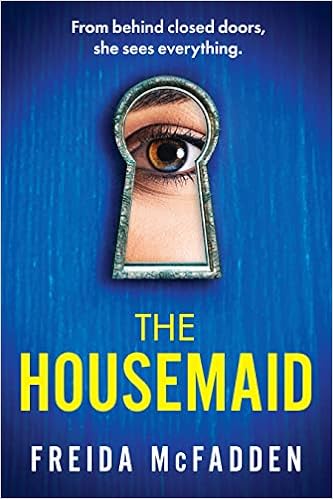
McFadden’s rise is closely associated with the breakout success of The Housemaid, a novel that reached a vast readership and helped cement her as a dominant name in contemporary domestic thriller fiction. Its success also signaled a broader market reality: the genre’s center of gravity has increasingly moved toward highly readable, twist-driven storytelling that readers can devour quickly and recommend immediately.
A breakthrough like this is rarely just about one premise. It is also about timing and fit. McFadden’s work arrived when many readers were actively seeking thrillers that combine the familiarity of domestic life with the adrenaline of danger—stories where the setting is not an exotic location but a place one might actually live, work, or enter. By building suspense inside everyday power dynamics—employment arrangements, class differences, marriage expectations, private shame—McFadden tapped into anxieties that feel current and personal.
Just as importantly, her breakthrough reflects a writer who understands how modern audiences discover books. When a thriller “hits” today, it often does so through conversation: online reading groups, short-form video, rapid-fire reviews, and the contagious pleasure of telling someone else, “You have to read this without spoilers.” McFadden’s twist architecture lends itself to exactly that kind of sharing.
Major Works and Career Phases
McFadden’s catalog is best approached through the roles her books tend to play for readers: the domestic trap, the institutional nightmare, and the unreliable story.
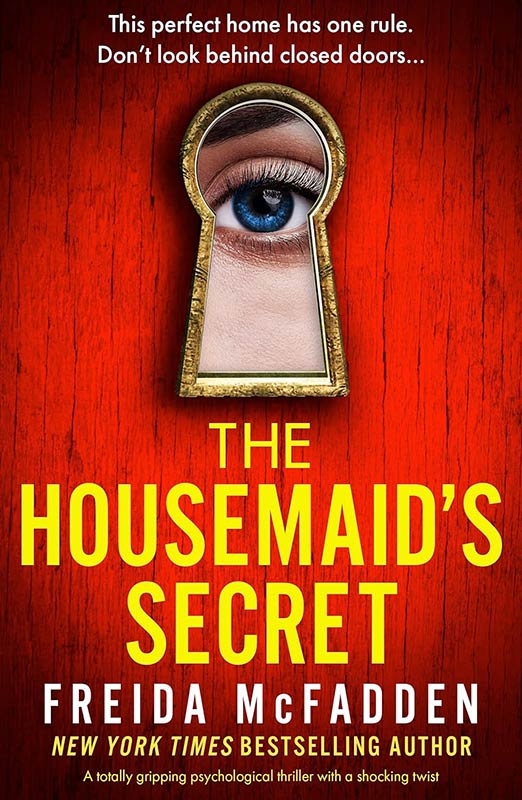
Domestic suspense and the peril of proximity: Alongside The Housemaid and its sequel The Housemaid’s Secret, McFadden has written thrillers that focus on what happens when intimate spaces become unstable. These books often explore how dependence—financial, emotional, social—creates vulnerability. The home, traditionally imagined as refuge, becomes a stage where control is exercised in subtle ways.
The institutional thriller informed by medical reality: Titles such as Ward D reflect an interest in settings governed by rules and hierarchies—places where authority is formalized, where access is restricted, and where a person can be disbelieved because procedure says so. These are settings that naturally amplify suspense: surveillance, locked doors, reputational risk, and the frightening gap between what one experiences and what others will accept as true.
The narrative twist as structural signature: McFadden’s work is frequently characterized by endings that reframe earlier scenes, a strategy that requires careful engineering. She tends to build in plain sight: offering facts that appear straightforward until a later reveal changes their meaning. This approach encourages rereading and fuels discussion, both of which are valuable forms of literary afterlife in popular fiction.
Across these phases, her impact on the genre is clear. She exemplifies a strain of contemporary thriller that is highly accessible—clean prose, clear stakes, immediate hooks—without abandoning the genre’s deeper preoccupations: power, fear, and the limits of knowing another person.
Themes, Style, and Craft
McFadden’s most consistent theme is the instability of trust—how quickly certainty collapses when a relationship changes shape. Her books return again and again to the idea that people are not only hiding secrets; they are hiding versions of themselves. In that sense, her thrillers are not merely puzzles. They are examinations of social performance: the masks people wear to keep jobs, keep marriages, keep reputations, and keep control.
Craft-wise, several elements stand out:
Hook-forward storytelling: She begins with a premise that promises movement—a new job, a new home, a new arrangement—and then tightens the screws quickly.
Short, propulsive chapters: The form supports binge reading and heightens suspense by constantly offering small cliff edges.
Strategic perspective control: Whether through limited information, withheld context, or characters who misunderstand their own situation, she manages what the reader knows with precision.
Twist logic grounded in character need: The best twists do not feel random; they feel like the inevitable consequence of what people want and what they will do to protect it.
While her novels are built for speed, their emotional engine often comes from recognizable human pressures: fear of being powerless, fear of not being believed, fear that the safest person in the room is the most dangerous.
Reception and Adaptations
McFadden’s books have achieved major popularity with thriller readers, with a significant presence in online reading communities where recommendations spread quickly. While adaptations and official announcements can change over time and should only be cited when confirmed, her work’s high-concept premises and twist-driven structure make it a natural candidate for screen interest—one of the reasons readers and critics frequently discuss her novels in the same breath as bingeable psychological thriller television.
What is firmly observable is reader response: McFadden’s novels inspire the particular enthusiasm that fuels commercial suspense—late-night reading, spoiler-averse evangelizing, and the satisfaction of being outmaneuvered by the plot.
Personal Life and Public Commitments
McFadden is publicly known as a practicing physician, and that ongoing professional identity distinguishes her within the thriller field. It suggests a life lived in parallel: one world shaped by clinical responsibility and real stakes, another shaped by fiction’s engineered stakes. This duality contributes to her credibility in medical-adjacent narratives and to her broader thematic interest in vulnerability, authority, and the precariousness of being dependent on systems and strangers.
Beyond that, she keeps much of her private life out of the spotlight. Rather than building a brand around personal revelation, she has built it around the reliable delivery of a certain reading experience: fast, twisty, psychologically sharp suspense.
Legacy
Freida McFadden’s legacy—still actively forming—rests on how effectively she has helped define the current era of domestic psychological thriller: accessible, high-velocity, and designed for communal discovery in the digital public square. She represents a modern model of genre authorship in which momentum matters, reader conversation matters, and the book is not only a product but an event—something people race through and then race to discuss.
More enduring than any single twist is what her work demonstrates about the genre’s cultural function. Thrillers, at their best, do not just entertain; they metabolize anxiety. McFadden’s fiction takes contemporary fears—about intimacy, credibility, dependence, and the stories people tell to maintain control—and turns them into narratives that are both compulsively readable and uncomfortably plausible. In doing so, she has strengthened the bridge between classic suspense pleasures and modern reading culture, securing her place as a significant, shaping presence in today’s thriller landscape.